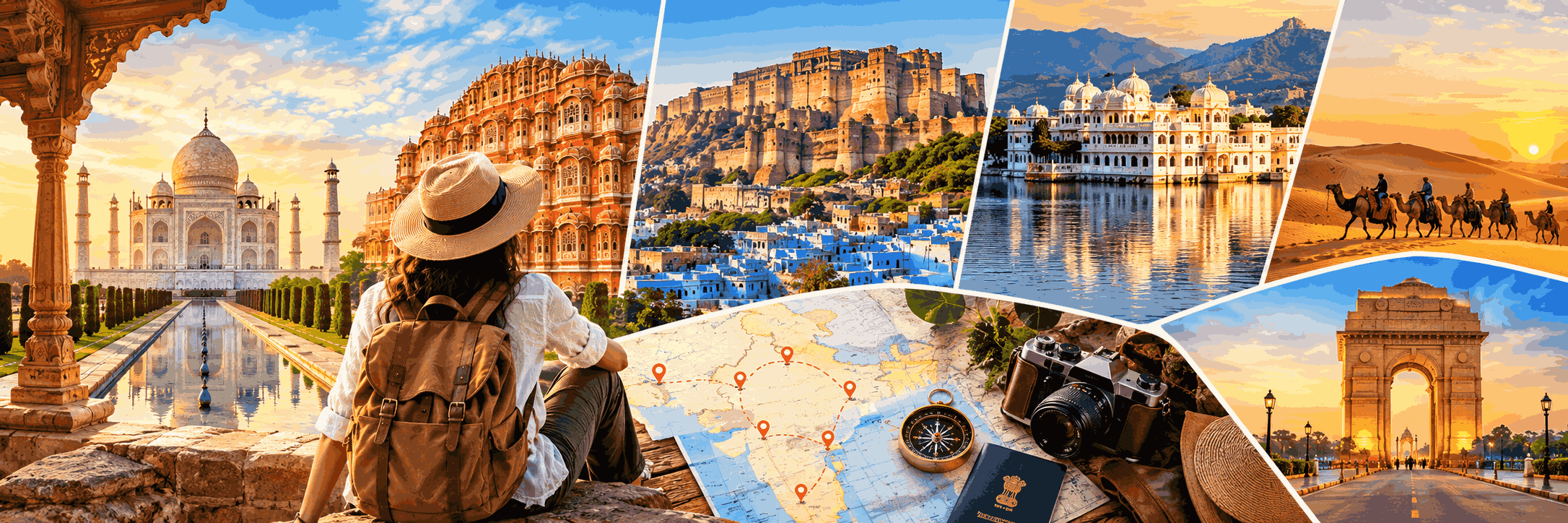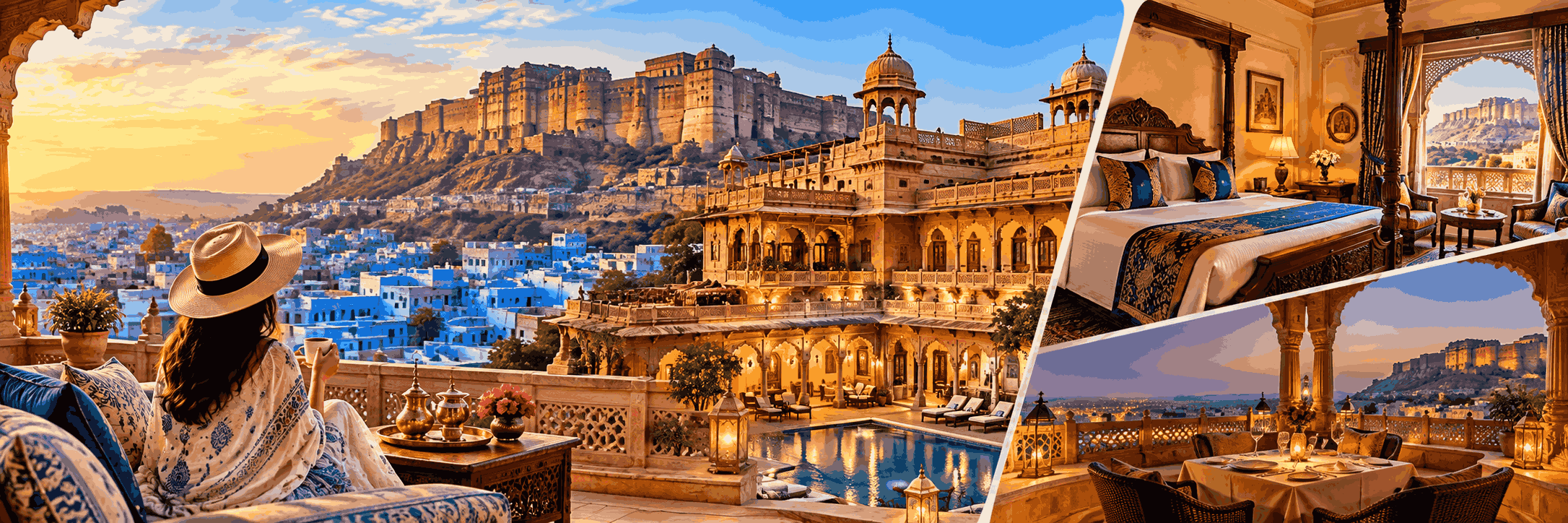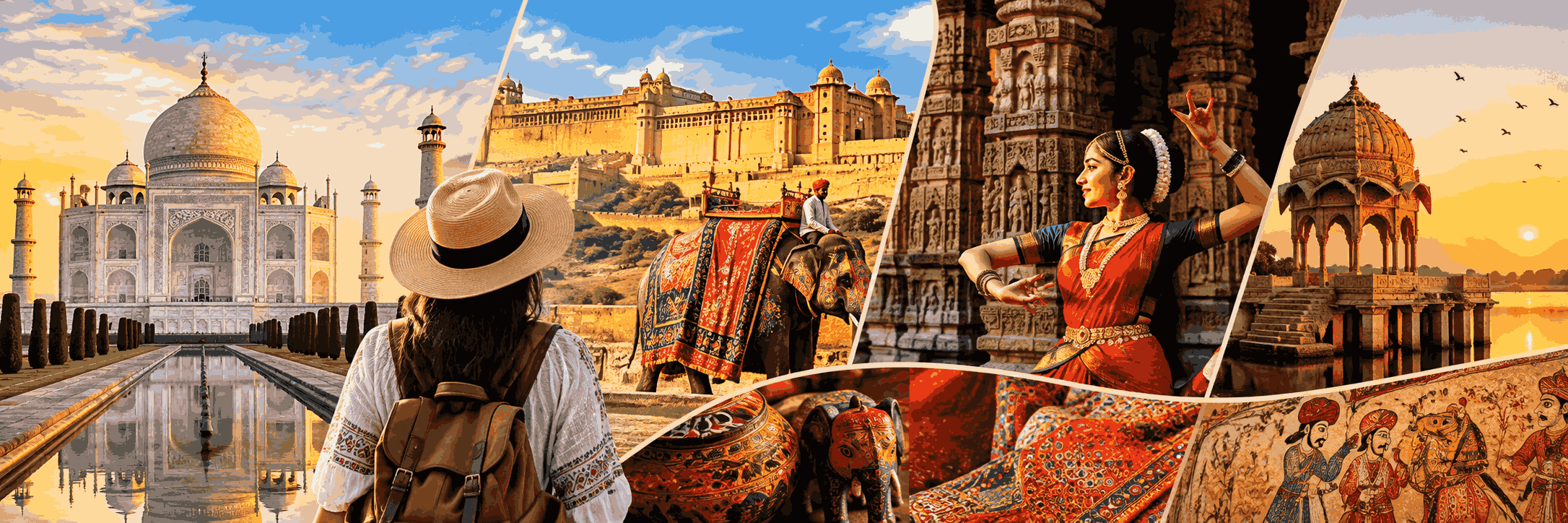
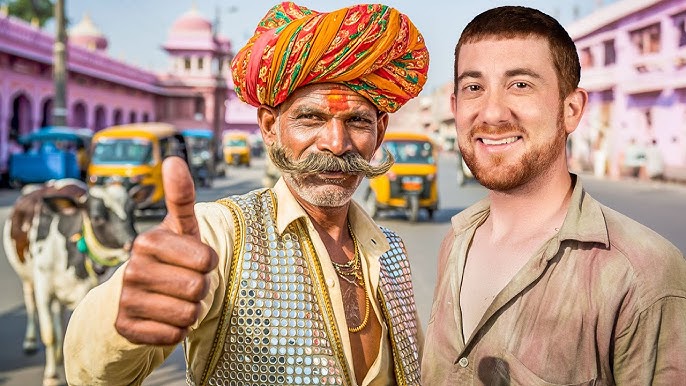
India is a land of spectacles, where festivals like Holi, Diwali, and the Pushkar Camel Fairturn entire cities into living canvases of color and sound. For a first-time traveler, the energy is exhilarating—but the sheer scale of the crowds can be overwhelming.
To help you navigate the "beautiful chaos" of Indian heritage festivals, we’ve put together this essential safety and cultural guide. Here is how you can immerse yourself in the traditions while staying comfortable and secure.
1. Research the Festival "Vibe" Before You Go
Not all festivals are the same. Some are spiritual and quiet, while others are high-energy street celebrations.
Spiritual Festivals (Varanasi Dev Deepawali): These involve massive gatherings by the river. Focus on finding a secure vantage point or a private boat to avoid the crush of the Ghats.
Active Festivals (Holi in Mathura): These involve crowds throwing colors. If you aren't comfortable with physical contact, look for "Flower Holi" events or private celebrations at heritage hotels.
2. Dress for the Occasion (and the Crowd)
In India, clothing is both a sign of respect and a layer of protection.
Modesty is Key: In temples and rural festivals (like the Teej procession), dress conservatively. Loose-fitting cotton tunics (Kurtas) and scarves (Dupattas) are perfect for the heat and cultural norms.
Protect Your Skin: During Holi, wear old clothes that cover your arms and legs to prevent synthetic colors from irritating your skin.
Footwear: You will likely be walking a lot. Wear sturdy, closed-toe shoes. Avoid expensive footwear, as you’ll often need to leave your shoes at the entrance of sacred sites.
3. Master the Art of Crowd Navigation
India’s festivals can reach a density that most Western travelers have never experienced.
The "Flow" Technique: Don’t try to push against a moving crowd. Move with the flow diagonally toward the edges if you want to exit.
Find High Ground: Many of the best views of Gangaur or Teej processions are from the rooftops or balconies of local cafes and havelis. Booking a spot in advance saves you from being on the street level during the peak rush.
Go Early: Arrive at the venue at least 2–3 hours before the main rituals begin to secure a safe spot.
4. Tech and Personal Safety
In a sea of thousands, losing your phone or getting separated from your group is a major hurdle.
Secure Your Valuables: Use a cross-body anti-theft bag or a hidden money belt. Festivals are hotspots for pickpockets.
The "Meeting Point" Rule: Before entering a crowded mela (fair), pick a tall, unmoving landmark (like a specific temple gate or clock tower) as a meeting point in case your group gets split up.
Digital Connectivity: Ensure you have a local SIM card with a strong data plan. Share your live location with a trusted contact via WhatsApp.
5. Health and Hydration
The combination of heat, dust, and excitement can lead to exhaustion.
Stick to Bottled Water: Only drink sealed, branded bottled water.
Street Food Strategy: Part of the festival experience is the food, but choose vendors with a high turnover of local customers to ensure the food is fresh.
Hand Sanitizer: Carry plenty of it, as hand-washing stations may be hard to find in the middle of a desert fair.
Experience the Grandeur Without the Stress
While India’s festivals are a "bucket list" experience, navigating them solo can be taxing for first-time visitors. If you want the authentic experience without worrying about logistics, logistics, or safety, professional assistance is the way to go.
India’s festivals are beautiful but can be chaotic. Experience the vibrancy without the stress. Book a Heritage Festival Tour with India Heritage Journey—we arrange VIP entry, safe transportation, and expert guides so you can enjoy the culture comfortably.